
Welcome!
And a recap of my trip to Toisan, China

Hello, and welcome to the relaunch of my newsletter!
I’m embarrassed to admit that I haven’t written a newsletter in years. As food media shifted to video-focused content in the past few years, I also made video creation my priority. I genuinely think that my patience for writing suffered as a result of this shift.
One of my big goals in 2026 is to be more intentional with how I share recipes and stories, and I see writing as a big part of this equation. I hope to use this space to connect with my audience in different ways, share behind-the-scenes snippets of cooking with Mama Lin, throw in a few Chinese lessons, and maybe even start a cookbook club!
Whether you have been following my work through my site Healthy Nibbles or @hellolisalin on social media, thank you so much for your support! I hope you stick around.
Returning Home
In Cantonese/Toisanese1, there is a phrase called 返鄉下2, which means “return to the countryside/village.” It’s typically used to describe people who are returning to the village after having left for the city or even another country. Last November, my family, including Mama Lin, decided to 返鄉下 to visit our family home. It was my mom’s first time back in 40 years, and it was my first time ever seeing my ancestral home.
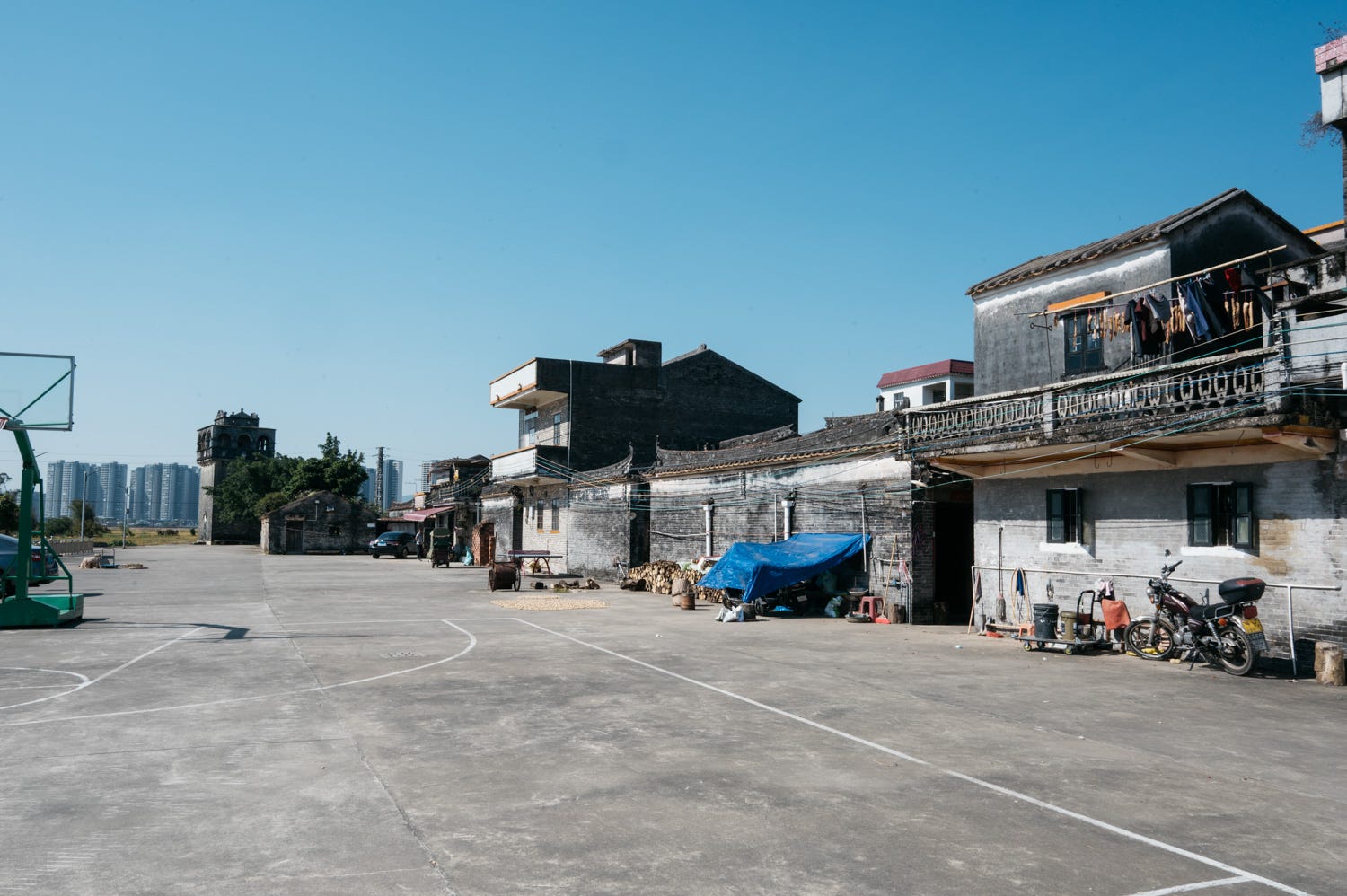
My family comes from a rural county-level city called 台山3 (Toisan). Throughout the 1970s and 1980s, my mom and dad’s parents and siblings gradually immigrated to America. It was only a matter of time before my immediate family followed suit. So in January 1986, they made their way to America.
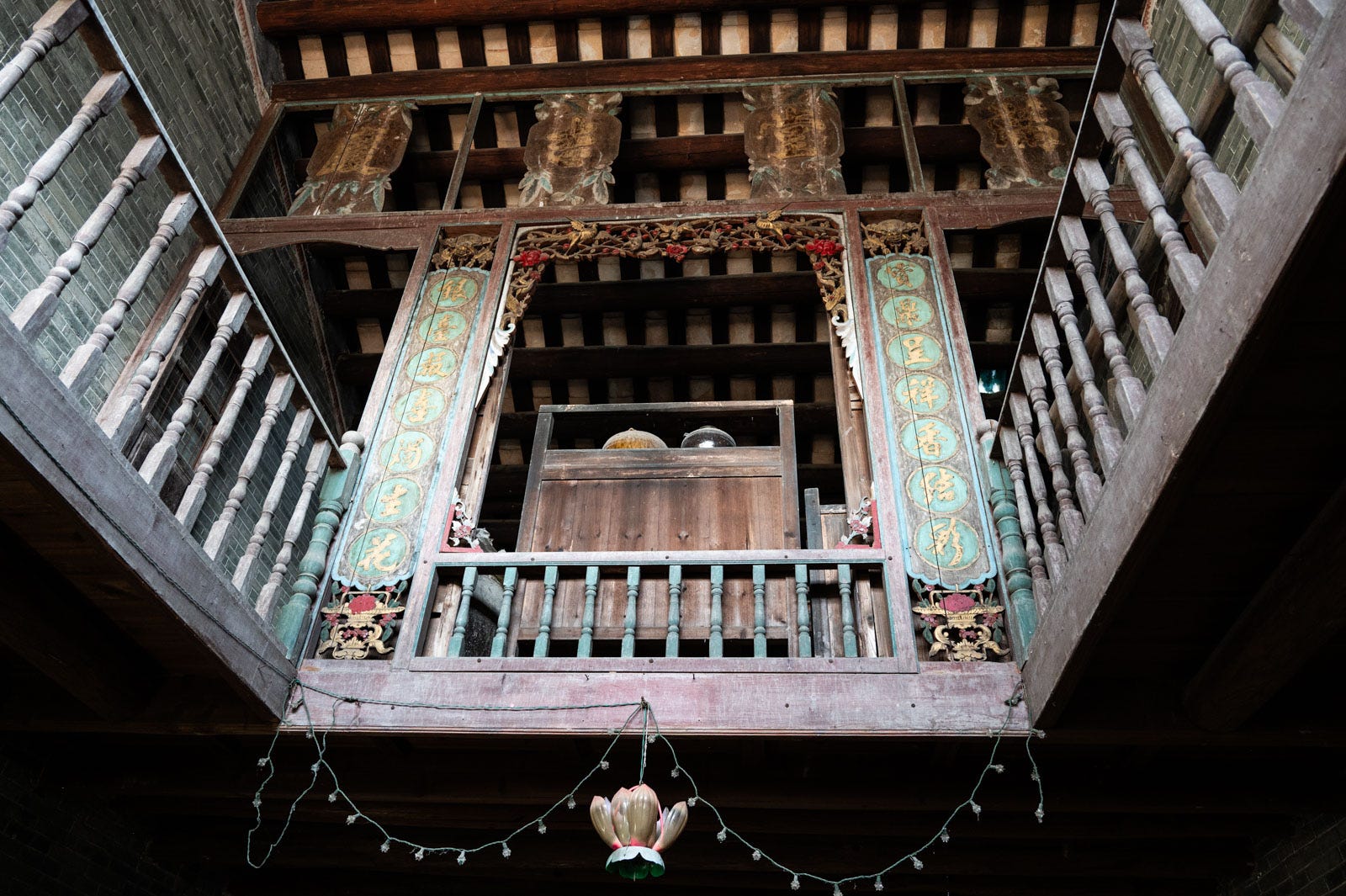
Our ancestral home is nearly 100 years old(!!) and still standing strong. There’s beautiful wood carvings, paintings, and Chinese calligraphy throughout the house, decorations that must have cost a fair bit when the house was built.
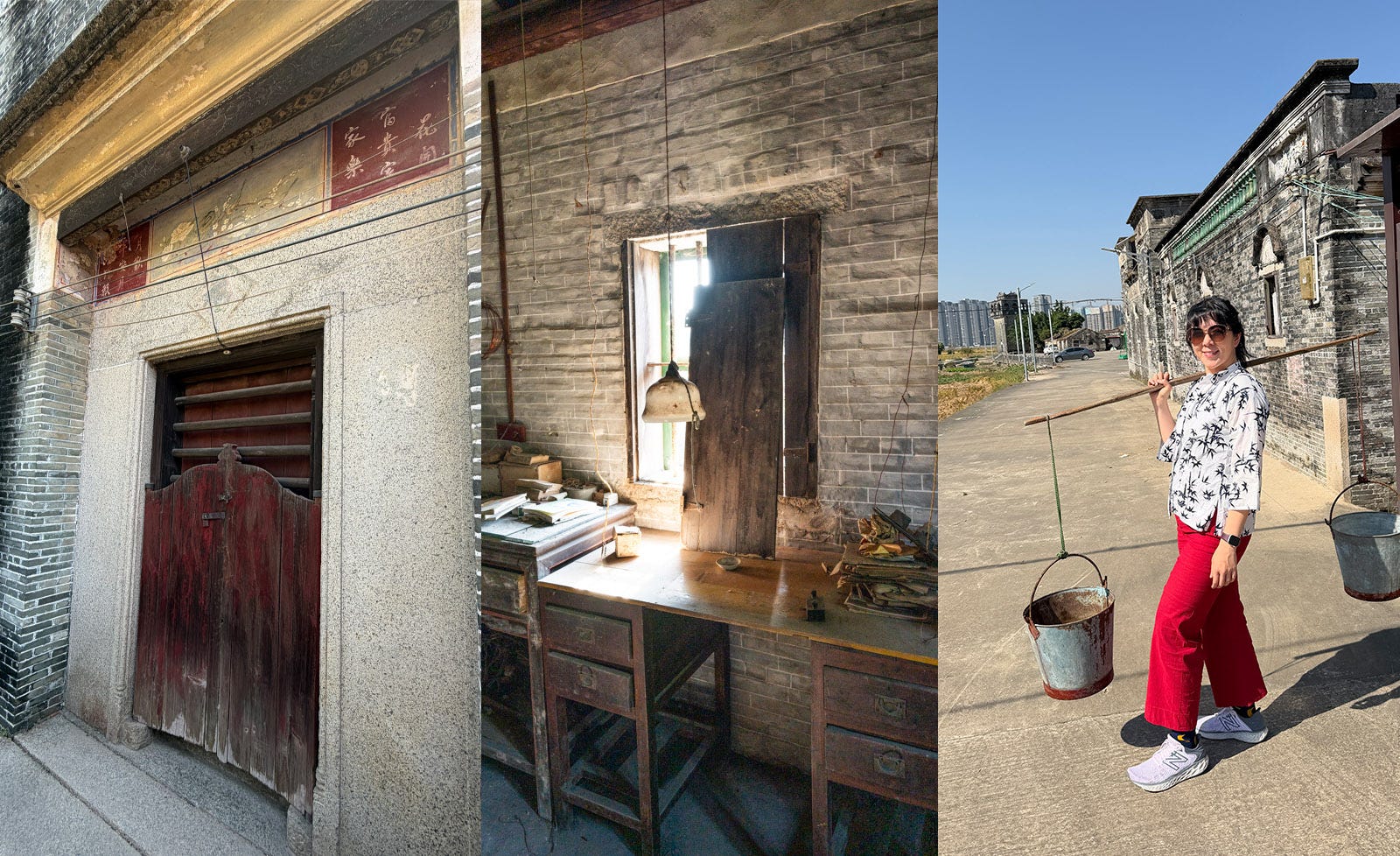
(Above: Mama Lin gives us a tour of of her old kitchen)
Entering the house is like stepping into a time capsule of what life was like in Toisan in the 1980s. Just on the other side of the front doors is the kitchen, with a wood-burning stove, wok, and pots that my mom and grandmother used to cook family meals. Bamboo baskets and large ceramic pots are scattered throughout the house, which my mom used to dry and store grains (usually rice). Hanging on the wall was an old newspaper TV listing from January 1986.
I’ve shared videos (see here and here) of my ancestral home in the past, and some of the most common questions people ask in the comments are, “Who lives there?” “How is it still left in good condition?” “Why did your family leave?”
Well, my family still holds the deed to the house, but no one lives there anymore. Our neighbors keep an eye on the house. As a matter of fact, we are so fortunate that there are people who still live in the village. I’ve heard many stories of abandoned villages or villages that no longer exist because the land was requisitioned by the government through eminent domain. Because our village is still inhabited, there’s actually somewhere that I can go back to learn more about my family’s history.
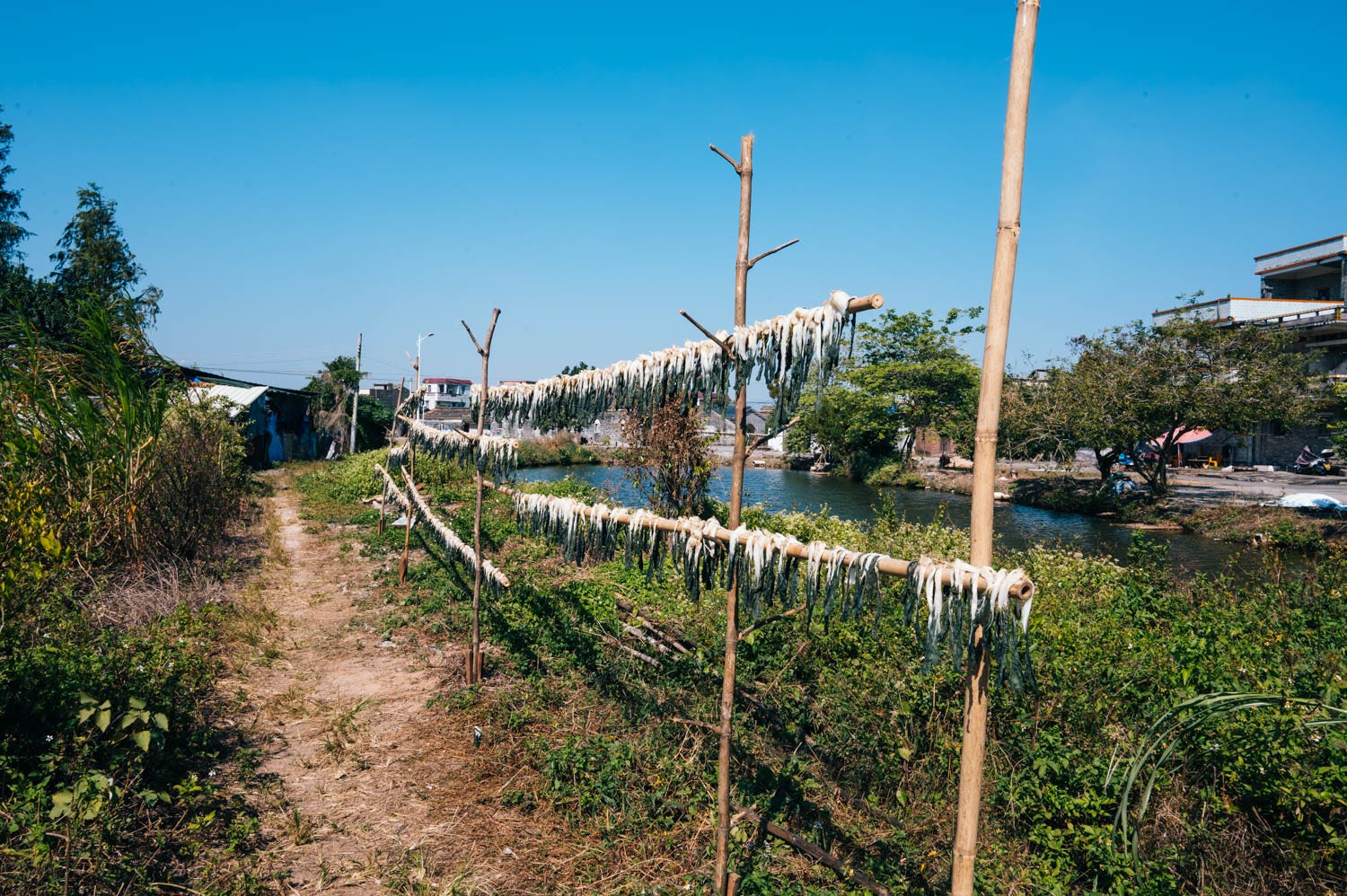
As I walked through the village, I couldn’t help but feel a sense of familiarity with the place, even though I had never been there before. It made me appreciate how my family told me stories about the village, how they spoke Toisanese around me when I grew up, and my mom’s steadfast determination to hang on to Chinese holiday traditions. I know I have been documenting my mom’s recipes and my family’s history for a while now, but the trip just made me want to commit to doing this work even more.
At the risk of making this an unbearably long post, I’ll hit pause here, and continue to share more scenes and reflections about my China trip in the coming months. There’s still many scenes from Chengdu, Guangzhou and Toisan to come!
Mini Chinese Lesson
Note on transliterations below: the English spellings of the Cantonese pronunciations follow the Jyutping system; the Toisanese pronunciations are my own. Sorry, I’m no linguist, so I can’t tell you what the tones are, whether they’re accurate, and promise consistency all the time.
返鄉下: Cantonese - faan2 heong1 haa6; Toisanese - fawn heung haa
台山: Cantonese - toi4 saan1; Toisanese - hoi sawn
水步: Cantonese - seoi2 bou6; Toisanese - sooi bou
水步聲: Toisanese - sooi bou siang
What’s Cooking

I bake a batch of granola every week, and this ginger granola clusters recipe is one that I turn to week after week. If you love BIG and crunchy granola clusters, then this recipe is for you. I use egg whites to bind the ingredients together, so the granola bakes into one large sheet that you can break up. I also like to bake the granola at a lower temperature for a longer period to get the granola extra crispy and to ensure that it’s evenly baked. Try out my granola clusters recipe this weekend! (Oh, and if you like, PLEASE leave a review/rating on the recipe card!)
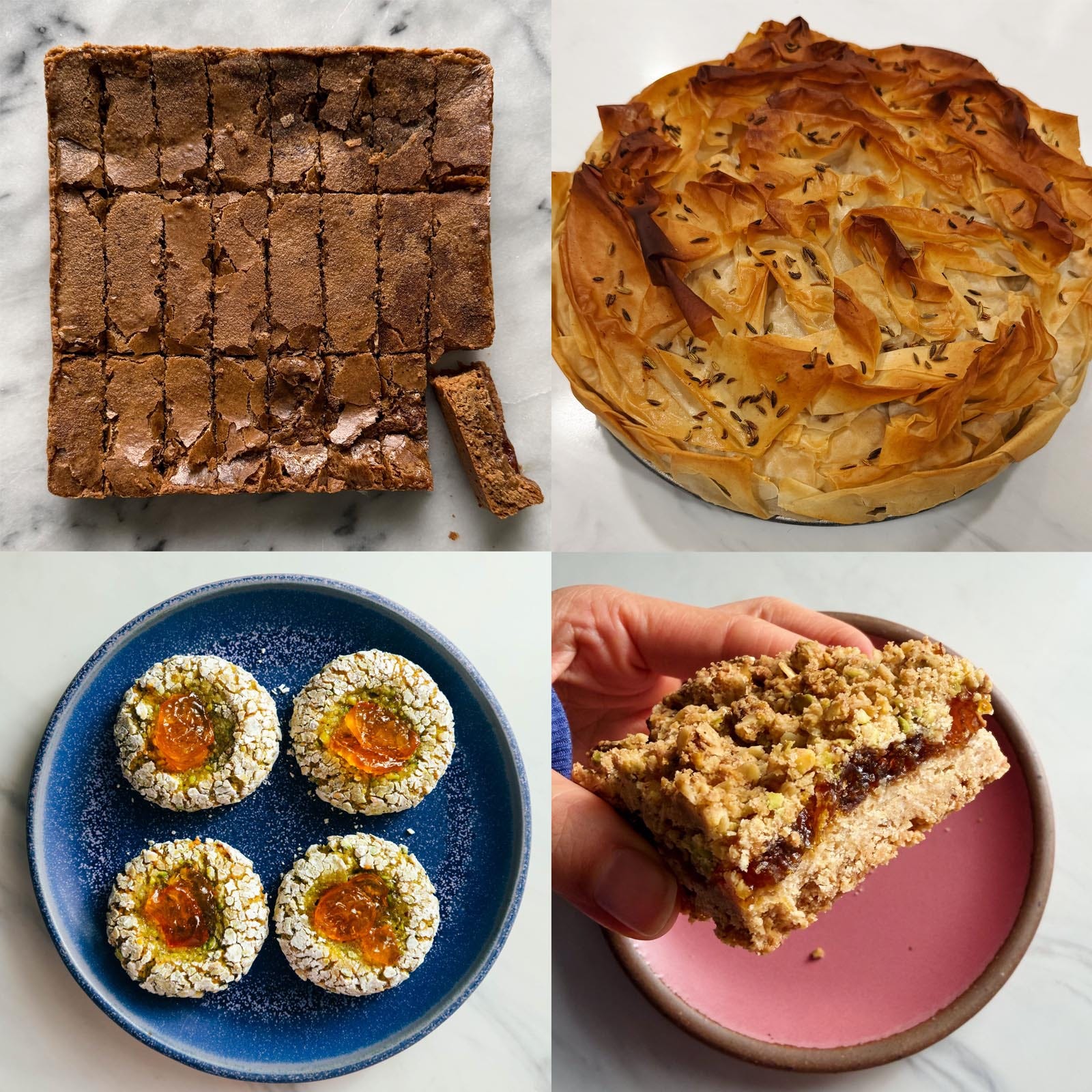
I’ve been cooking my way through Helen Goh’s new cookbook Baking & The Meaning of Life, and I am loving the recipes. Some of my favorites are the hojicha shortbread, broccoli & leek phyllo pie, and pistachio & kumquat amaretti. I even had some extra kumquat marmalade left from her recipe and used it to make crumble bars. They were SO GOOD–nutty, crumbly, a hint of bitter citrus notes from the kumquat and not too sweet. If you are looking for a baking cookbook to explore, definitely give Helen’s cookbook a gander.
*This post contains affiliate links.
Toisanese (or Taishanese) is the dialect spoken in 台山. You may see 台山 translated as Taishan, Toisan, or Hoisan in English, which reflect the Mandarin, Cantonese, or Toisanese pronunciations, respectively. I will primarily refer to 台山 as “Toisan.”
These are the traditional characters. In simplified characters, it is 返乡下. I should also note here that occasionally, 返鄉下 can be used as a derogatory phrase to imply that someone is uncultured.
Some of the first Chinese immigrants in America are from Toisan, which is why there is a large Toisan community living in America.
My parents are both from Toisan as well. I went back with 2 of my sisters in 2019. Amazing trip with "Friends of Roots", the program for older adults wanting to go back to their ancestral villages. Grateful for the experience. I live your videos! Hearing your mother speak reminds me of my mom and grandma.
Wow. My parents were also from Canton and even though I never visited there, watching your video made me think of my parents (they are no longer living). Made me sad to remember the stories they told us of the hard lives they had when growing up. They, eventually, made their way to Hong Kong, and then to the US, with me and my sisters, in tow. They worked hard and sacrificed much to give their kids much better lives than they had. Typical Chinese immigrant stories that younger generations nowadays need to know so they can appreciate what they have, as a result of the older generations' hard work and sacrifices. Thank you for sharing the video!