
The Lantern Festival
And how we celebrated Lunar New Year

Happy Year of the Horse! Today is the Lantern Festival (元宵節1), marking the last day of Lunar New Year celebrations. One of the foods that people eat to celebrate this holiday are 湯圓2 (tang yuan): glutinous rice balls or dumplings.
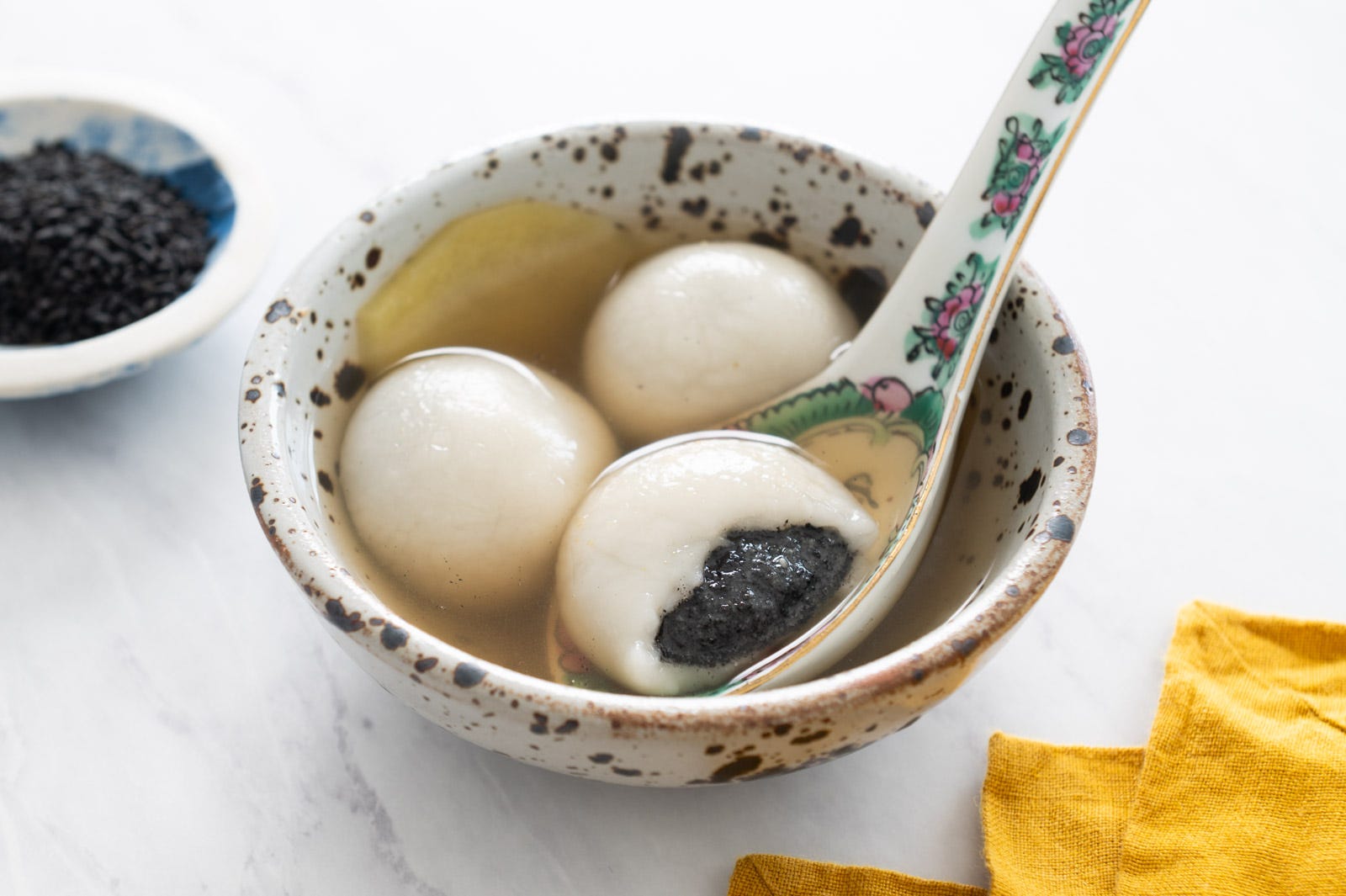
Typically, people eat sweet varieties of tang yuan, such as ones filled with black sesame and sugar or peanuts and sugar. If you want to try the black sesame version, you can try my recipe here. I use browned butter to add a malty flavor to the black sesame filling. Traditionally, these dumplings were made with lard but butter and coconut oil are more common fats you’ll find in recipes today. By the way, these dumplings freeze very well.
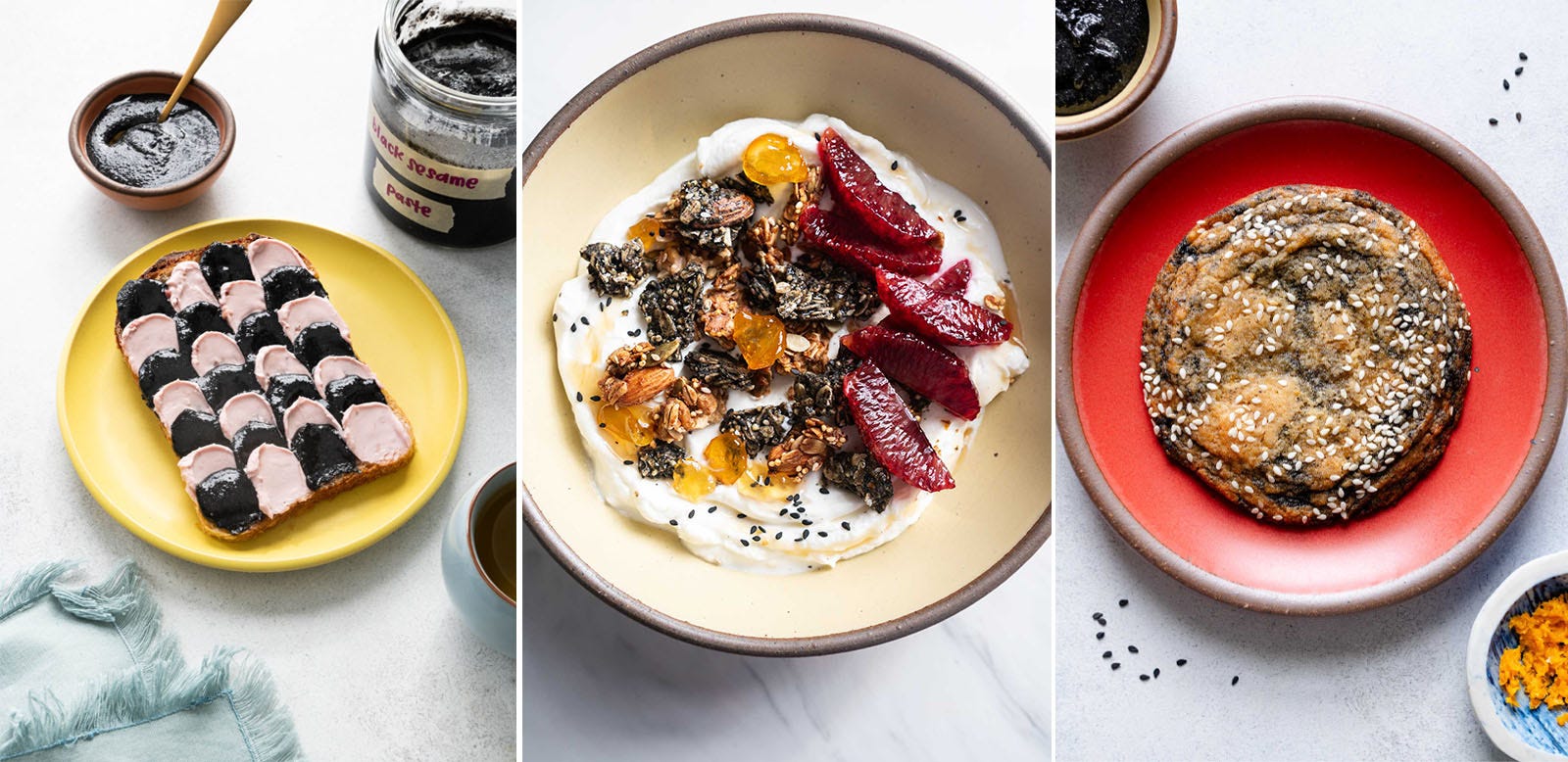
If you like black sesame treats, you should try some of my other black sesame recipes:
Celebrating the new year with Mama Lin
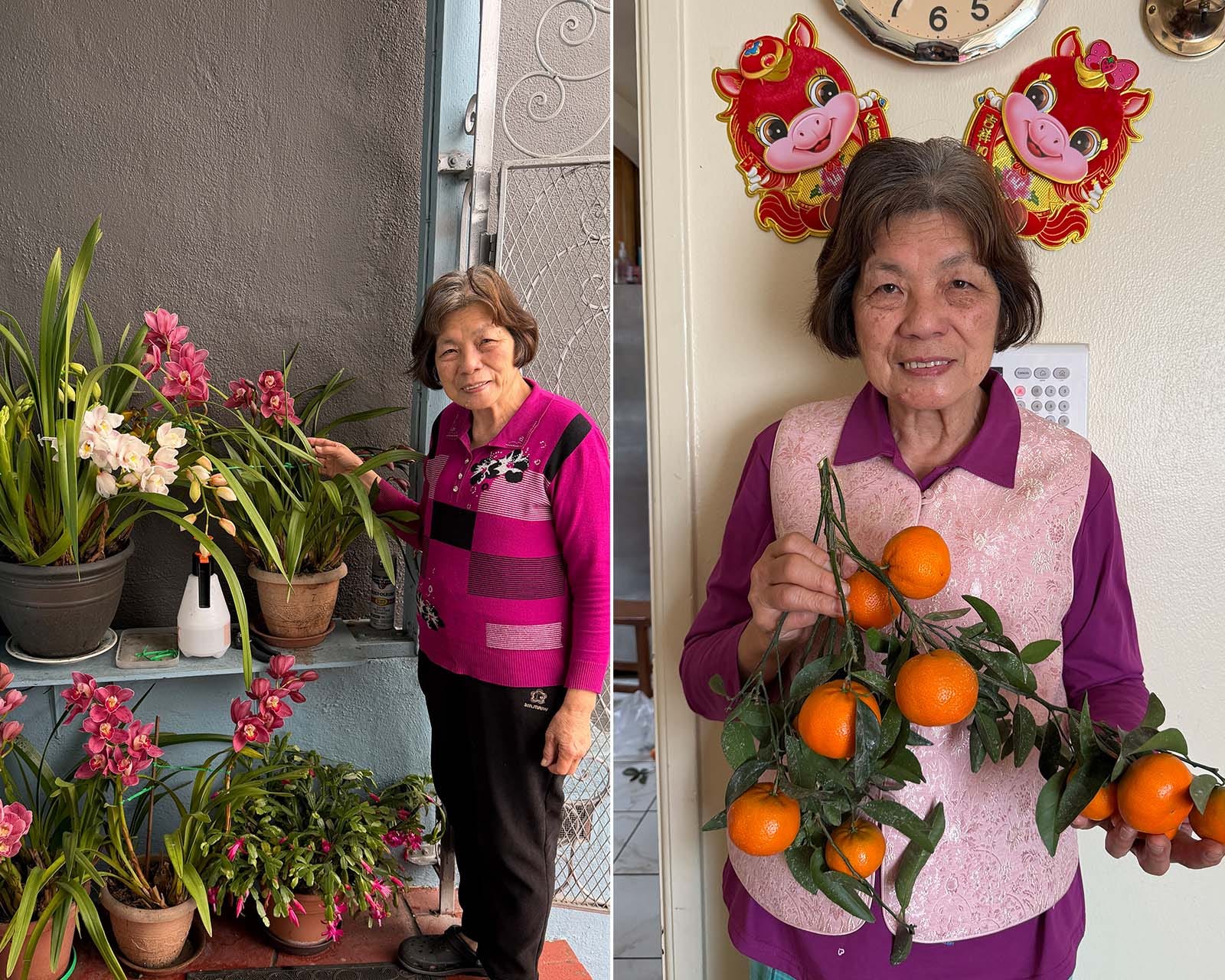
The new year is about new beginnings, and my mom loves to buy flowers and have them bloom during the new year period. In the past, my mom bought 劍蘭 (“sword lily”) or peach blossoms (桃花) to decorate the house. But this year, my mom had many pots of cymbidiums (boat orchids) growing outside the front door. She’s so proud of them.
My mom also loves to decorate the house with new year couplets and mandarin oranges with green leaves still intact (the leaves are crucial for Mamma Lin).
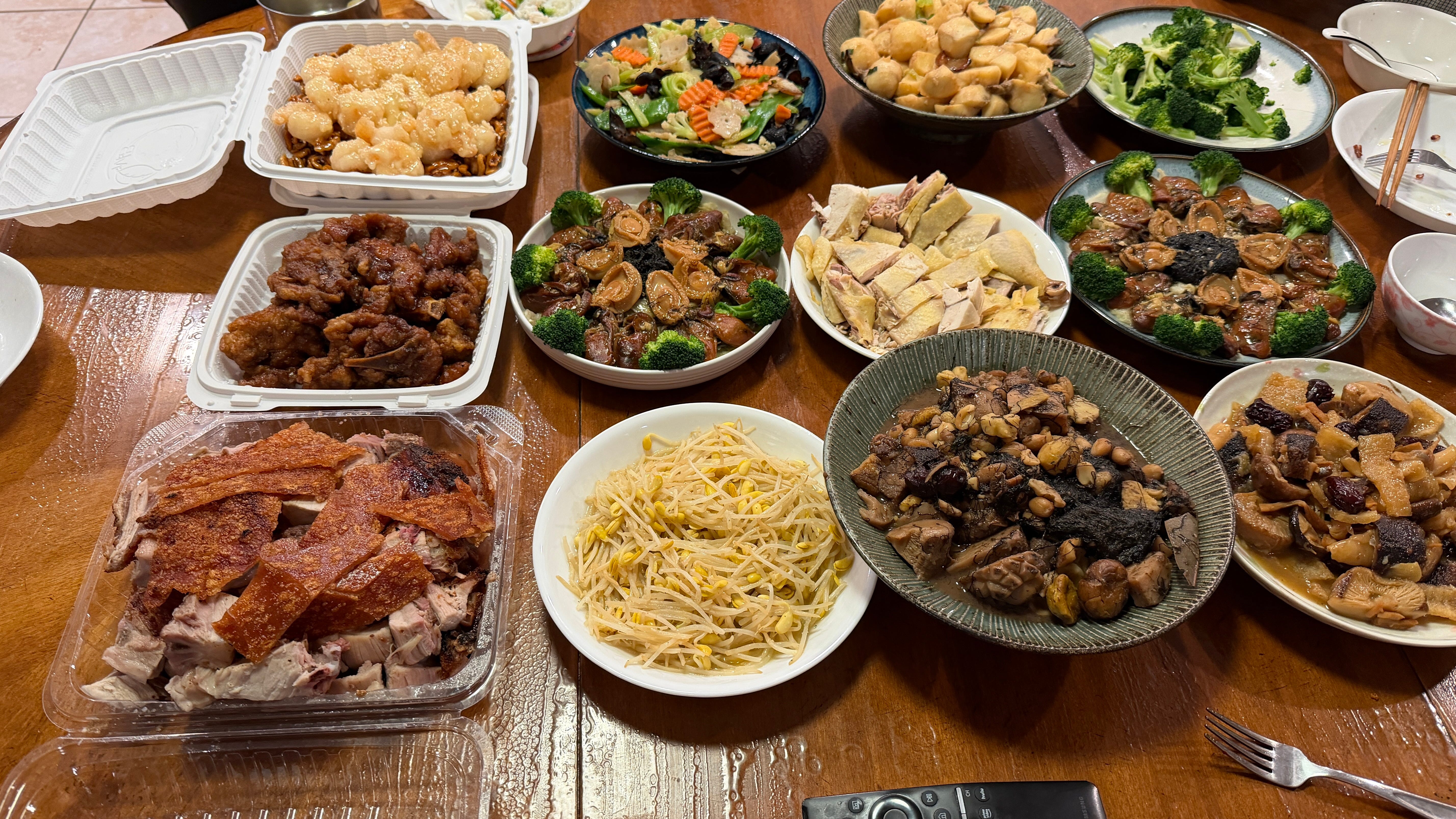
A few days into the new year, my family gathers together for a big dinner to welcome the new year called 開年飯3. This dinner is a tradition that Cantonese people celebrate, and the types of dishes we eat during this dinner can vary. Our dinner had a lot of seafood, vegetables, and a few dishes we purchased from a Chinese restaurant and BBQ shop.
Nian Gao (年糕, New Year Cake)
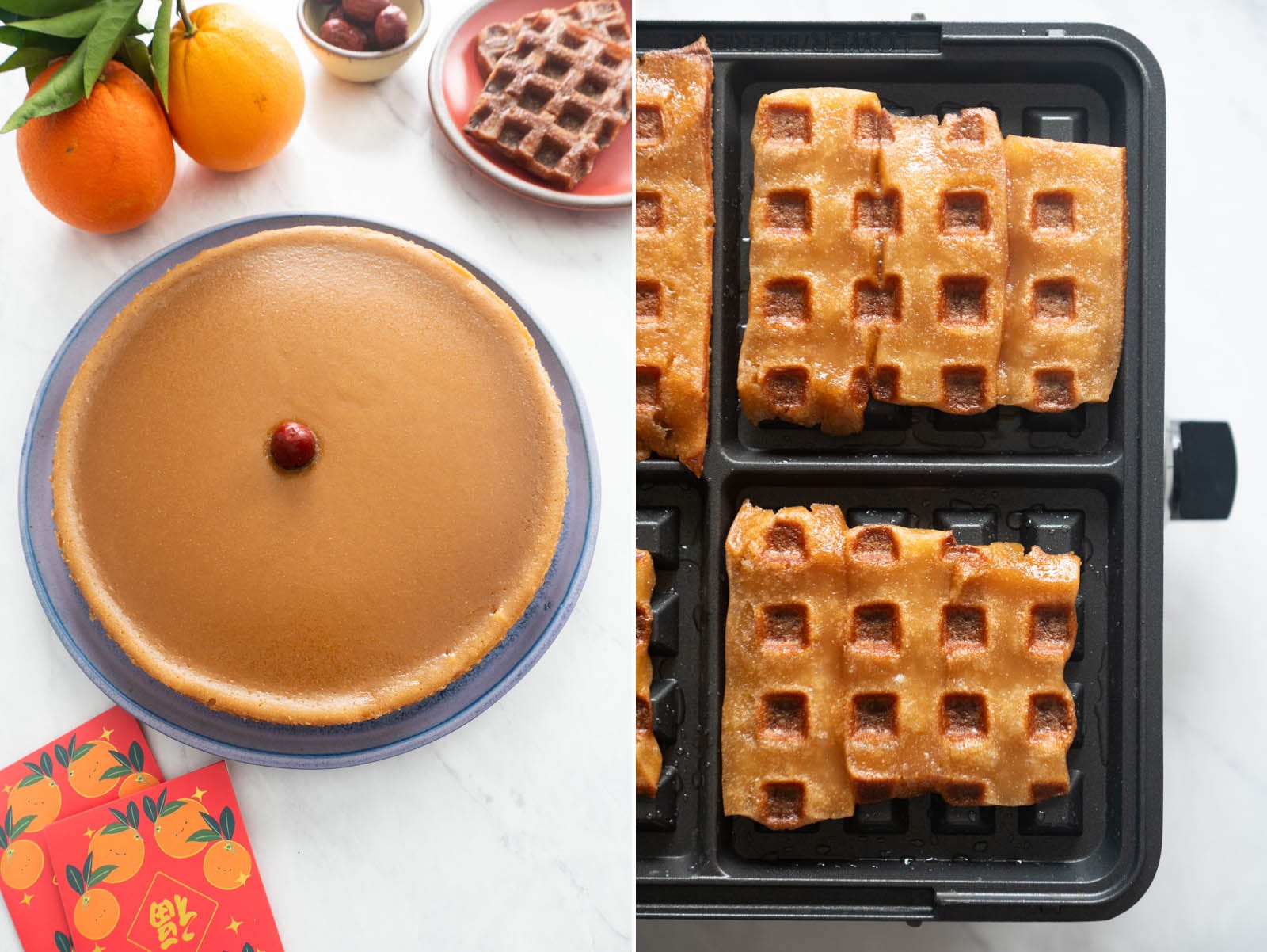
My mom always steams several 年糕4 (nian gao, or new year’s cake) to welcome the new year and to give away to friends and family. The cake is usually made with glutinous rice flour, brown sugar, and water. My mom likes to add coconut milk to make the cake more rich in flavor, and I like to add ground ginger to give the cake some spice. You can try my steamed nian gao recipe here.
By the way, I don’t like eating the cake on its own. I prefer pan frying it or reheating thin slices inside a waffle iron. Some people like to dip slices of the cake in egg before pan frying to give it savory flavor. I’ve also heard some people (most often in Southeast Asia) like to sandwich a piece of sweet potato between nian gao slices, dip the sandwich in a tempura-like batter, and the deep fry everything. I will be trying that at some point!
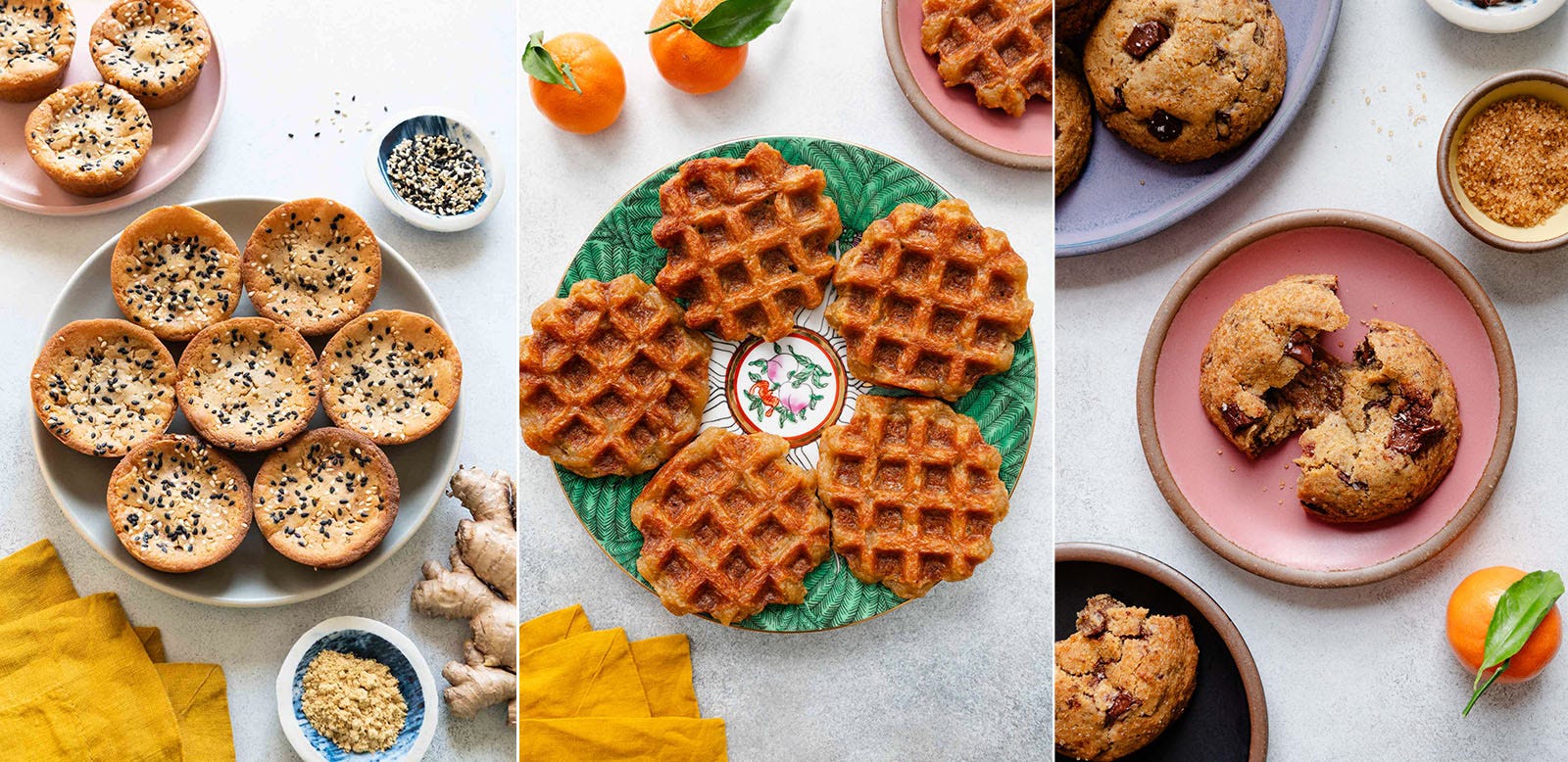
I’ve also played around with the traditional nian gao recipe and created these variations:
Baked Nian Gao: mini nian gao that are similar to mochi muffins
Nian Gao Waffles: These waffles do not require steaming a full cake first; just make a dough and cook it in a waffle iron
Nian Gao Cookies: chocolate chip cookies with nian gao in the center
Mini Chinese Lesson
黑芝麻: haak zee maa in Cantonese; the transliteration in Toisan is very similar though the words are pronounced slightly differently.
芝麻: zee maa in Cantonese; the transliteration in Toisan is very similar though the words are pronounced slightly differently.
芝麻湯圓: zee maa tong yoon in Cantonese; zee maa hong yuan in Toisan
Wishing all of you good luck and health in the Year of the Fire Horse!
This is pronounced yoon siu zeet in Cantonese and yuan xiao jie in Mandarin. 元宵节 is the holiday in simplified Chinese characters.
Tang yuan is the Mandarin pronunciation. In Cantonese, it is tong yoon (yeun). I’m going to refer to them as tang yuan here because that’s the most common English spelling I see. 汤圆 is the food in simplified Chinese characters.
This is pronounced hoi neen faan in Cantonese.
This is pronounced nian gao in Mandarin and neen goh in Cantonese. Nian gao is the most common English spelling that I see.
Lisa! I just sent you a dm request here on Substack in the “requests” tab of the “chat” section -Chef Harrison :)